Introduction
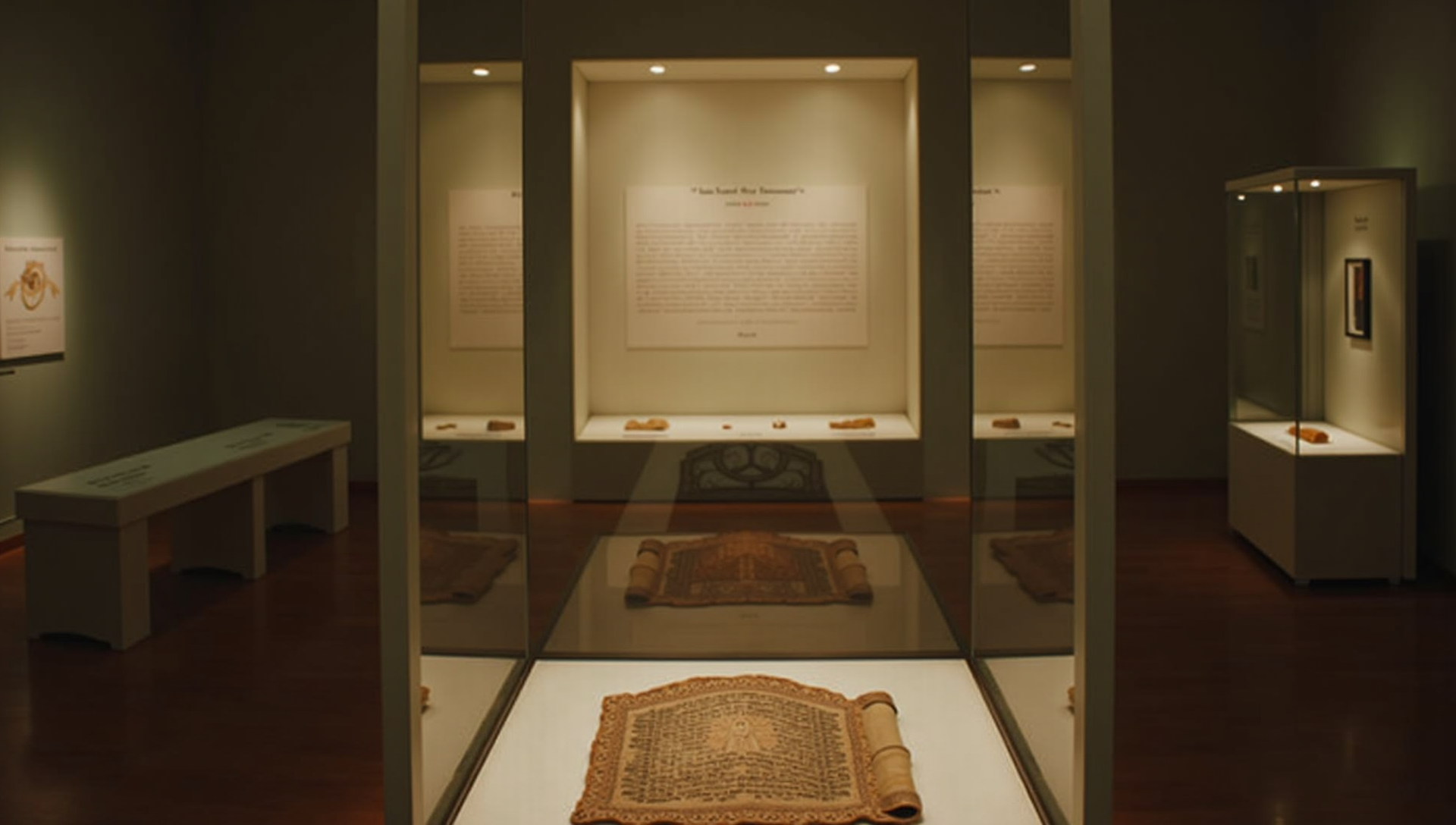
A remarkable discovery has captured the attention of historians, scholars, and religious communities worldwide: the identification of a Torah fragment dating back to the 14th century. This rare find offers valuable insight into medieval Jewish life, religious practice, and the extraordinary care taken to preserve sacred texts across generations.
A Manuscript That Survived the Centuries
The fragment, handwritten on parchment, belongs to a portion of the Hebrew Torah traditionally used for liturgical reading. Through paleographic analysis, ink examination, and material study, experts have dated the manuscript to the 14th century.
During this period, Torah scrolls were copied by highly trained scribes known as soferim, who followed strict religious rules governing every letter, spacing, and material. As a result, each surviving fragment is not only a religious artifact but also a work of exceptional craftsmanship.

Religious and Cultural Significance
The Torah is the foundational text of Judaism, central to religious life, law, and identity. Discoveries like this fragment are significant because they:
- Demonstrate the textual consistency of the Torah over centuries
- Reveal stylistic features of medieval Hebrew calligraphy
- Provide insight into synagogue practices of the Middle Ages
- Strengthen the historical continuity of Jewish tradition
Even minor details—such as letter shapes or spacing—can offer scholars valuable information about regional scribal traditions.
The Historical Context of the 14th Century
The 14th century was a turbulent era for Jewish communities, especially in Europe. It was marked by:
- The Black Death and resulting persecution
- Forced migrations and expulsions
- Legal and social restrictions
Despite these challenges, Jewish religious and intellectual life continued. The survival of a Torah fragment from this period stands as a testament to the resilience and dedication of the communities that safeguarded their sacred texts under extreme conditions.

Preservation and Scholarly Study
Once identified, the fragment was entrusted to conservation specialists. Their work focuses on:
- Stabilizing the parchment and ink
- Preventing further deterioration
- Digitizing the fragment for global scholarly access
- Conducting comparative studies with other Torah manuscripts
Modern technology now allows experts to analyze these ancient texts while minimizing physical handling.
Why This Discovery Matters Today
Beyond its academic value, the discovery resonates on a broader level. It serves as:
- A reminder of the enduring power of sacred texts
- A bridge between medieval faith and modern belief
- Evidence of how religious identity survives through care, memory, and transmission
For many, this fragment represents not just history, but a living spiritual heritage.
Conclusion
The discovery of a 14th-century Torah fragment is more than an archaeological event—it is a powerful symbol of continuity, faith, and cultural survival. As scholars continue to study and preserve it, the fragment offers a rare and meaningful connection between the present and a distant, resilient past.