Introduction
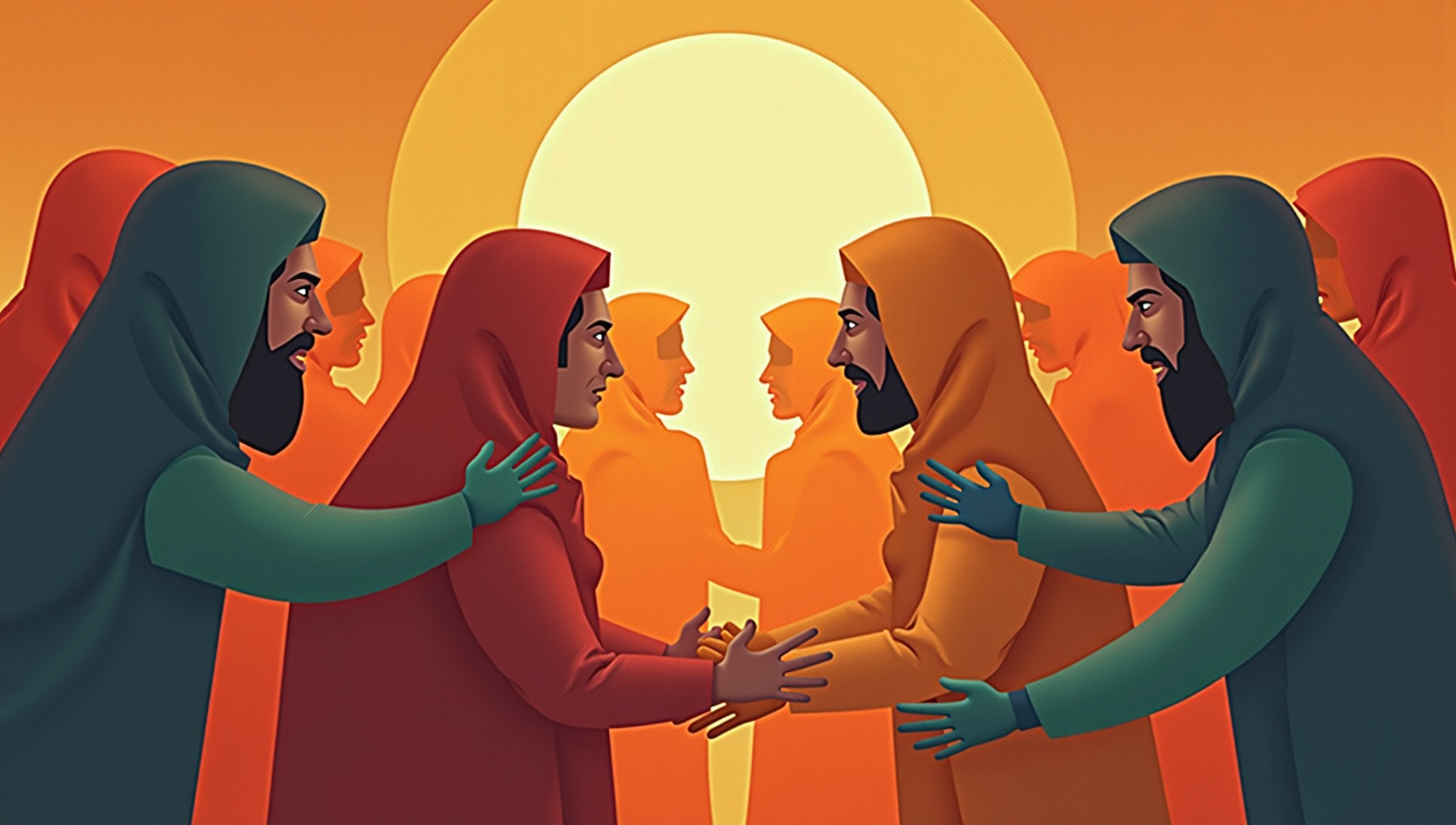
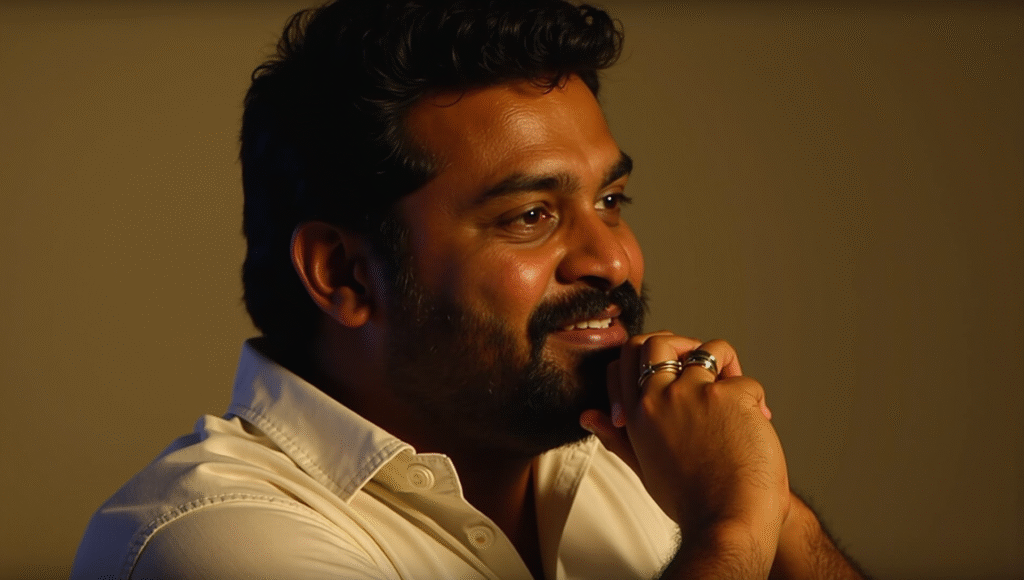
In a world increasingly marked by polarization and identity-based divisions, voices that emphasize shared humanity often resonate the most. Renowned Indian actor Mammootty recently offered such a message when he stated that “the greatest religion is trust.” His words highlight universal human values that transcend religious boundaries and invite reflection on what truly unites people across cultures and beliefs.
A Statement Rooted in Human Values
Mammootty’s declaration places trust, compassion, and mutual respect above doctrinal differences. Rather than dismissing religion, his message reframes it—suggesting that the ethical core common to all faiths is far more important than labels or institutional divisions.
This perspective aligns with a growing global sentiment that sees:
- Humanity before ideology
- Shared moral responsibility over rigid identity
- Dialogue instead of division
Religion, Identity, and the Search for Common Ground
Throughout history, religion has served as both a source of meaning and a point of separation. Mammootty’s words challenge societies to ask whether religious identity should divide communities—or inspire ethical living.
By focusing on trust as a foundational value, the message emphasizes:
- Honesty and integrity in human relationships
- Social responsibility and empathy
- Peaceful coexistence in pluralistic societies
Why Messages Like This Matter Today
In an era of cultural tension and global uncertainty, public figures who advocate unity play a vital role. Messages centered on shared humanity help:
- Reduce fear and misunderstanding
- Encourage interfaith respect
- Promote inclusive social dialogue
- Remind audiences of universal moral principles
When influential voices shift the focus from division to connection, they create space for reconciliation.
The Role of Artists in Social Reflection
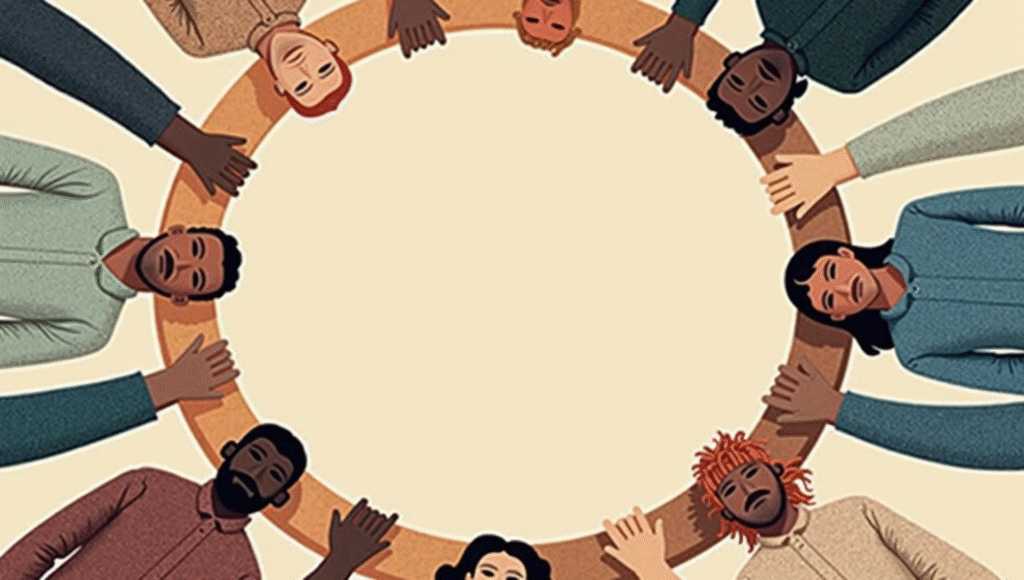
Artists and cultural figures often act as mirrors of society. Through their words and actions, they can question dominant narratives and propose alternative ways of understanding identity and belonging.
Mammootty’s statement reflects the long-standing tradition of artists contributing to moral and philosophical conversations—not through doctrine, but through shared human experience.
Trust as a Universal Language
Trust is a value that crosses borders, faiths, and cultures. It forms the basis of:
- Social cohesion
- Democratic institutions
- Peaceful coexistence
- Personal relationships
By calling trust “the greatest religion,” the message reframes spirituality as something lived daily through actions, not defined solely by belief systems.

Conclusion
Mammootty’s words serve as a reminder that beneath religious, cultural, and ideological differences lies a shared human foundation. In emphasizing trust over division, the message encourages societies to prioritize empathy, understanding, and unity.
At a time when differences often dominate public discourse, such reflections invite a return to what connects us all: our shared humanity.