-
The Resurgence of Christian Nationalism in U.S. Politics: Faith, Power, and Identity in a Divided Nation
•
Introduction As America moves through one of its most polarized political eras, a powerful ideology has re-emerged at the center of national debate: Christian nationalism.This movement blends religious conviction with political identity, promoting the idea that the United States was founded as a Christian nation—and should remain one. Supporters see it as a defense…
-

The Rise of the “Nones”: Spirituality Beyond Traditional Religion in Modern America
•
Introduction In the last two decades, the American religious landscape has undergone a quiet but profound transformation.More and more people now describe themselves as having “no religious affiliation”—a group often called the nones.But while they reject formal religion, many remain deeply spiritual, seeking meaning, morality, and connection outside traditional institutions. This growing movement reflects…
-
The Resurgence of Evangelical Christianity in U.S. Politics and Its Influence on the 2024–2025 Elections
•
Introduction As America approaches a new political era, Evangelical Christianity is once again at the forefront of national debate.After a period when many observers thought its political power was waning, the movement has re-emerged with renewed visibility, influence, and organization.From campaign rallies to state legislatures, evangelical voices are shaping conversations about morality, national identity,…
-
The Political Power of Faith: Evangelical Christianity and Its Impact on U.S. Politics and the 2024–2025 Elections
•
Introduction As the United States moves through the 2024–2025 election cycle, one thing is clear: Evangelical Christianity remains one of the most influential forces in American politics.Though its share of the population has declined slightly in recent years, the evangelical movement continues to wield significant cultural and political weight, shaping debates on morality, policy,…
-
Faith on the Rise: How Religion’s Growing Public Influence Fuels Cultural Tension in America
•
Introduction In recent years, surveys and headlines alike have revealed a striking paradox: while fewer Americans formally belong to religious institutions, many believe that religion’s influence on public life is increasing.From politics to education, social issues, and cultural debates, faith has re-emerged as a visible—and sometimes divisive—force in the national conversation. This perception has…
-

The Rise of the Religiously Unaffiliated: How America’s Faith Landscape Is Changing
•
Introduction Across the United States, religious identity is shifting in profound ways.For generations, America was seen as one of the most religious nations in the Western world. Today, however, the number of people who describe themselves as atheist, agnostic, or “nothing in particular”—often called the “nones”—is growing rapidly. This trend reflects not a complete…
-
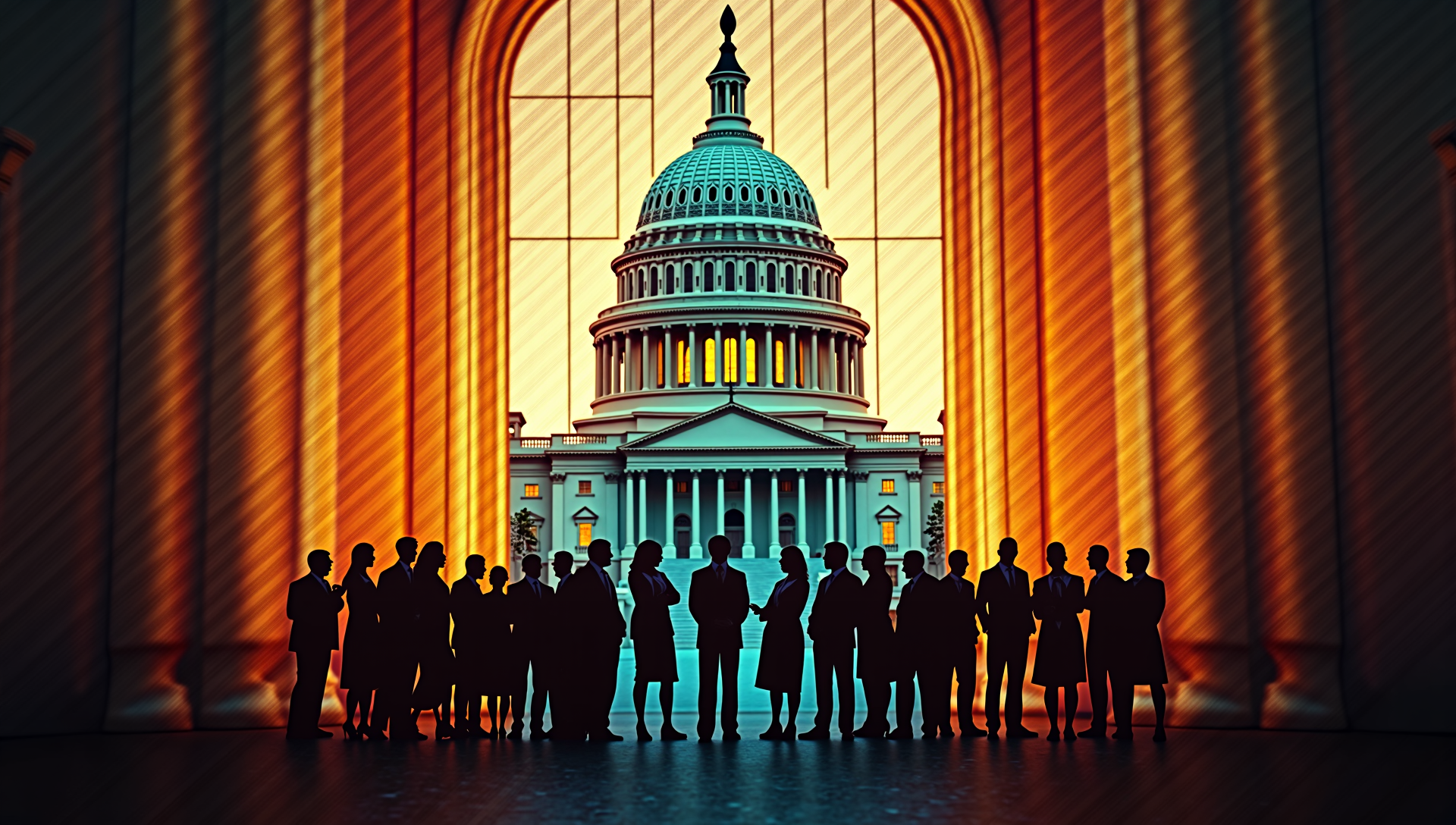
Where Faith Meets Culture and Policy: The Intersection of Religion, Cultural Identity, and Public Life in America
•
Introduction In the United States, religion has never existed in isolation. It weaves through the fabric of cultural identity and public policy, shaping how people view justice, morality, and the common good.The intersection between religion, culture, and politics is not merely a debate about laws or doctrine—it’s about who Americans are as a people,…
-
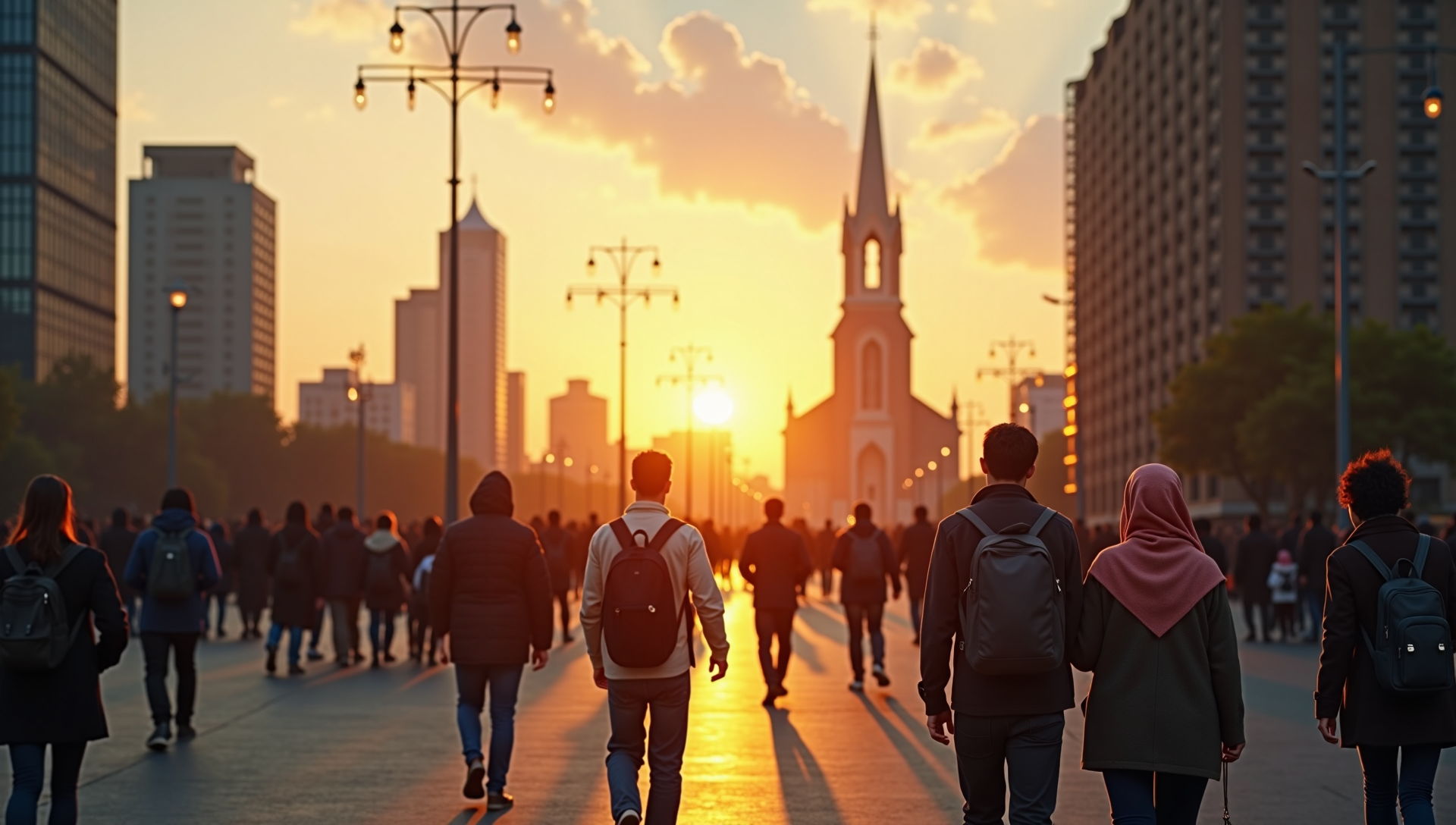
How Americans Perceive the Role of Religion in Society Today
•
Introduction Religion has always been intertwined with American identity, shaping values, politics, and culture.Yet in recent decades, the public perception of religion’s role in society has changed dramatically. According to recent surveys by organizations like Pew Research Center and Gallup, many Americans now believe religion’s influence is declining—and they’re divided over whether that’s a…
-
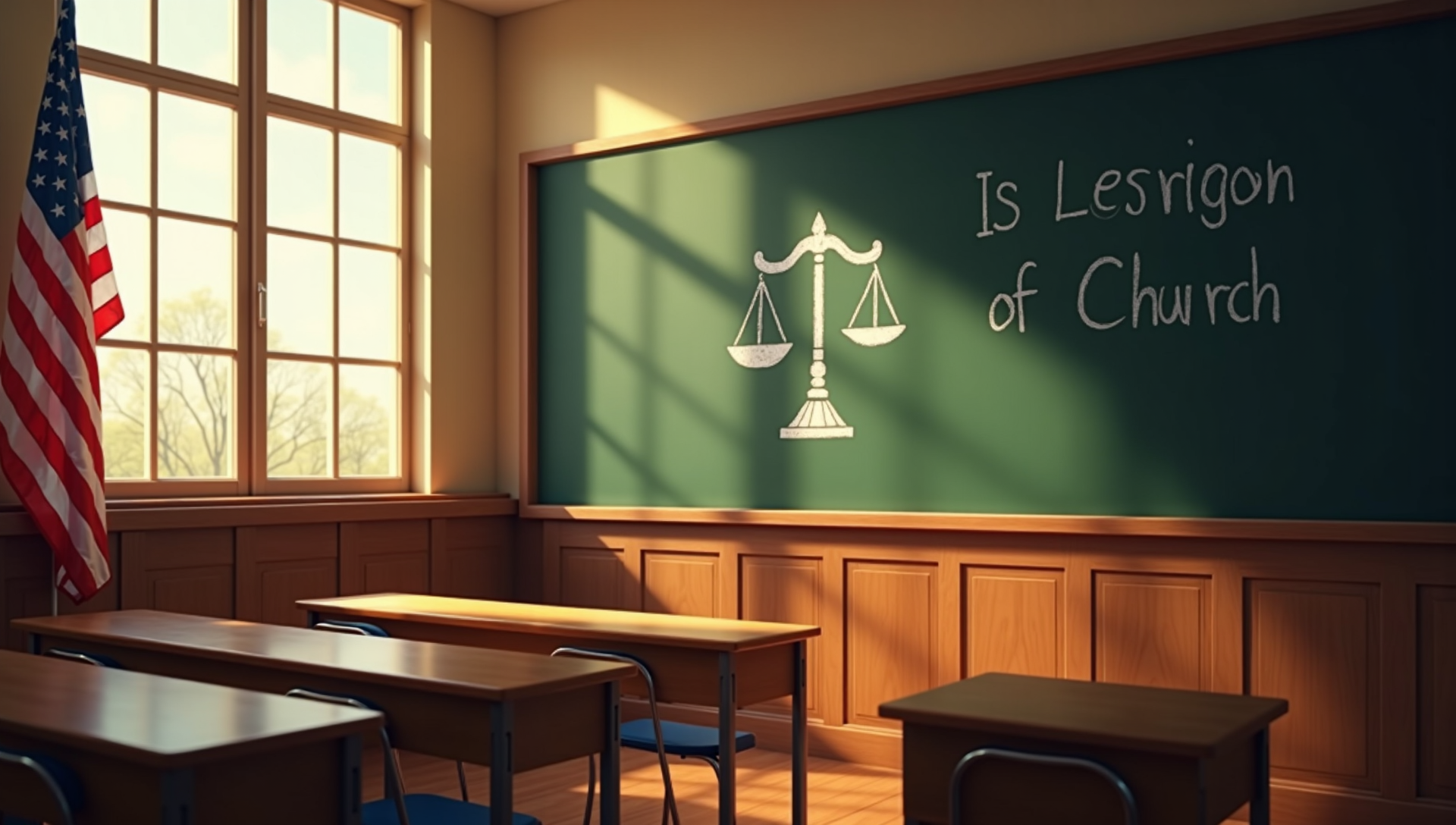
Religious Freedom and the Separation of Church and State in Public Education
•
Introduction The balance between religious freedom and the separation of church and state has long been a defining issue in American public education.While the U.S. Constitution protects both the right to freely exercise religion and the prohibition of government endorsement of faith, schools often find themselves navigating the fine line between expression and establishment.This…
-
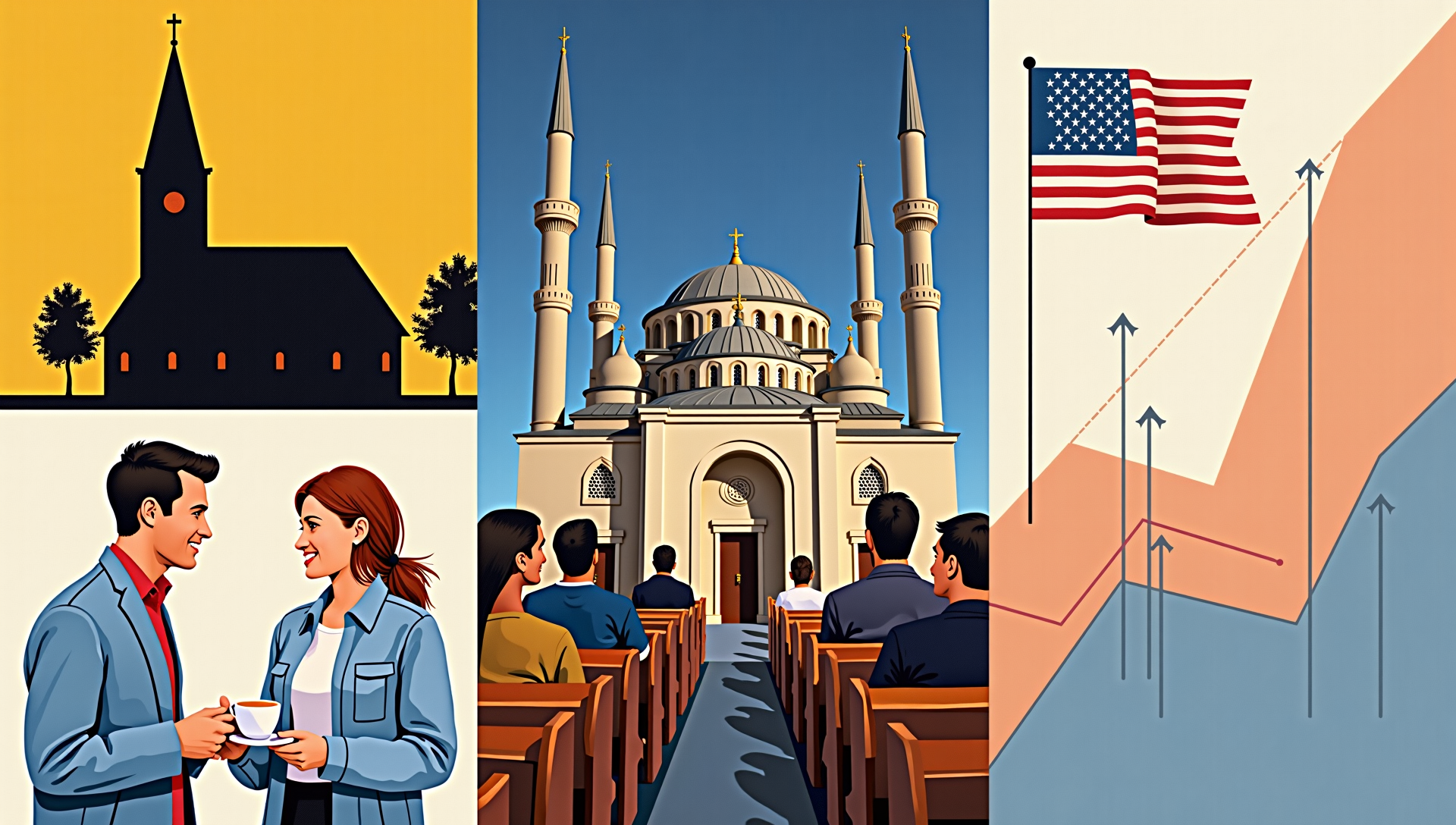
Major Shifts in U.S. Religion: Insights from the Pew Research Center Study
•
Introduction The religious landscape of the United States is undergoing significant transformation. A new series of surveys by the Pew Research Center reveal that while the long-term decline in Christian affiliation appears to be slowing, large segments of the population are shifting away from traditional religious identities. Pew Research+2Pew Research+2In this entry we’ll explore…