-
Steady Faith: Why Personal Religious Practices Have Remained Surprisingly Stable in the United States
•
Introduction At a time when the national religious landscape is undergoing measurable shifts—especially the decline in traditional religious affiliation and the rise of the religiously unaffiliated—some elements of spiritual practice in the United States show notable stability.Factors like daily prayer, regular attendance at worship services, and the personal importance of religion have neither skyrocketed…
-
The Ongoing Decline of Religiosity in the United States: Understanding a National Shift
•
Introduction In recent decades, the United States has experienced a steady and noticeable decline in religiosity. Fewer Americans attend religious services, fewer identify with organized religion, and more describe themselves as “spiritual but not religious.” This shift reflects deep cultural, generational, and social changes reshaping the nation’s relationship with faith. A Generational Transformation The…
-

A New Plateau: The Stabilization of Christianity’s Decline in the United States
•
Introduction For decades, researchers have documented a steady decline in Christian affiliation across the United States. Yet recent findings suggest that this downward trend may be entering a period of stabilization. While Christianity is no longer the overwhelming cultural force it once was, its decline has slowed enough to spark new questions about its…
-
Empathy as a Battleground: How Compassion Has Become a Point of Cultural Tension in American Christianity
•
Introduction In today’s American Christian landscape, empathy—long understood as a core virtue of Jesus’ teachings—has become a subject of cultural tension and debate.While many Christians uphold empathy as essential to the Gospel, others view it as a sign of moral compromise, weakness, or even a political tool of progressive ideology.This clash has placed empathy…
-
The Rise of Christian Nationalism and Its Influence on American Politics
•
Introduction In recent years, Christian nationalism has emerged as one of the most powerful—and controversial—forces shaping American politics.This movement blends religious identity with political ideology, asserting that the United States is fundamentally a Christian nation and that its laws and institutions should reflect Christian values. As the country enters an era of deep polarization,…
-
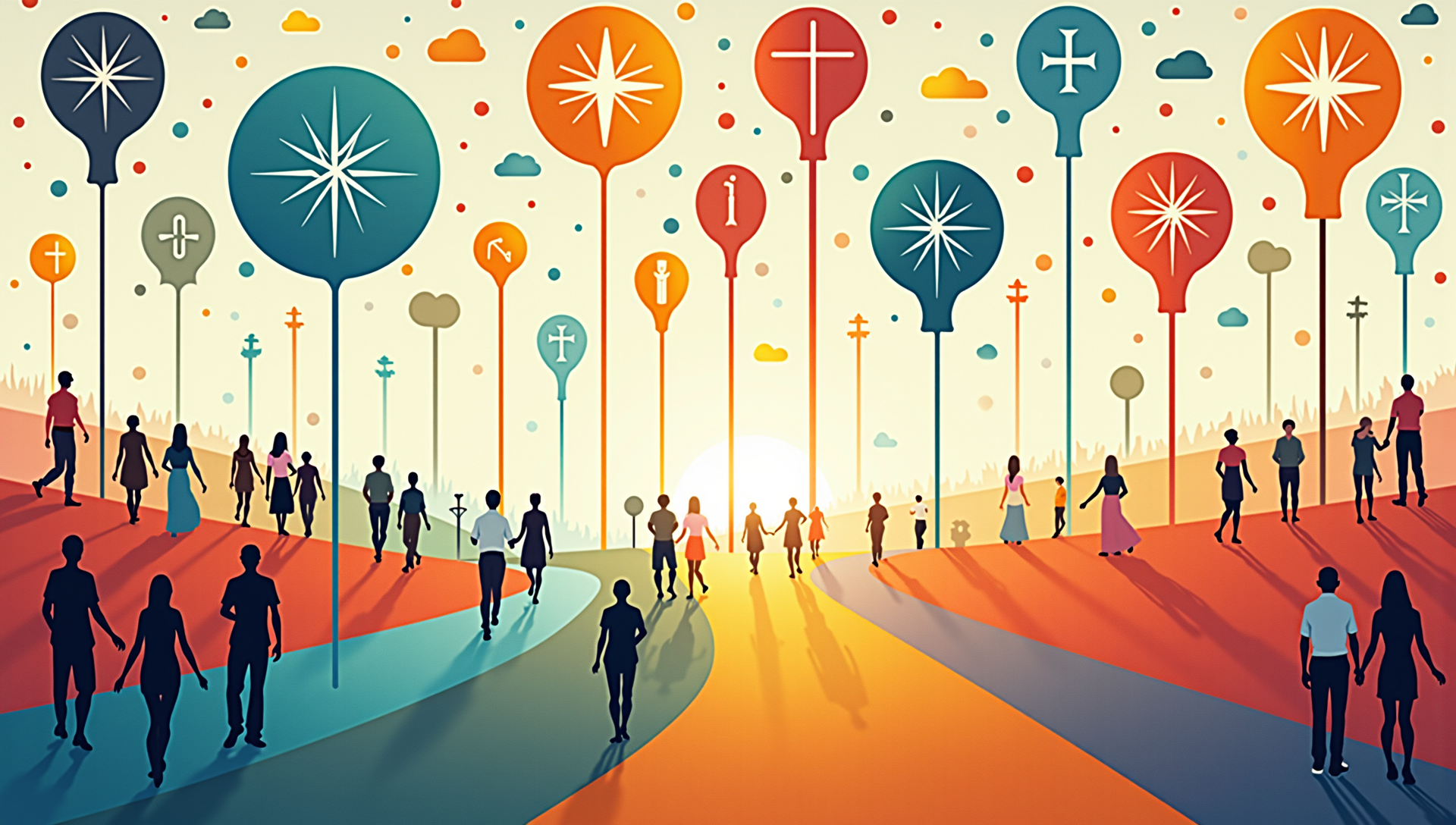
The Transformation of the American Religious Landscape
•
Introduction The religious identity of the United States is undergoing a profound transformation.Traditional faiths no longer define the cultural majority, new spiritual expressions are emerging, and millions of Americans are rethinking what it means to believe, belong, and find meaning. This shift—driven by generational change, cultural diversity, and evolving values—is reshaping not just religion,…
-
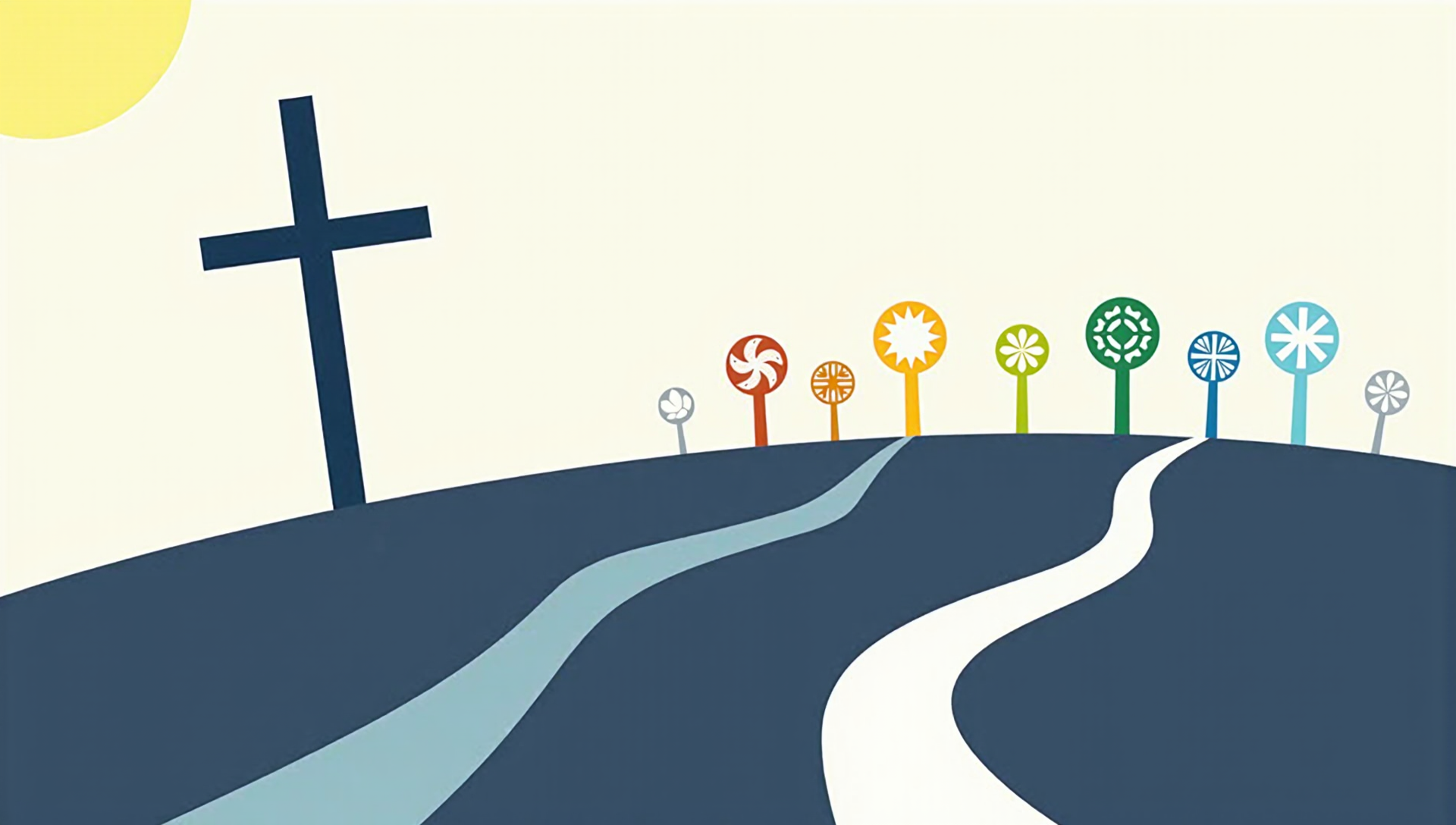
The Decline of Christianity and the Rise—and Stabilization—of the “Nones” in America
•
Introduction The religious landscape of the United States is experiencing one of the most significant shifts in its history.While Christianity remains the nation’s largest faith tradition, its influence and membership have steadily declined over the last few decades.At the same time, the share of Americans who identify as having no religious affiliation—the “nones”—has grown…
-

The Decline of Traditional Religious Affiliation and the Rise of Pluralism and the “Nones”
•
Introduction The American religious landscape is undergoing one of the most dramatic shifts in its history.Traditional religious affiliation—once a defining feature of identity and community—is steadily declining.In its place, a new wave of pluralism, spiritual diversity, and non-affiliation is reshaping how people understand belief, meaning, and belonging. This transformation is not just a demographic…
-

How Artificial Intelligence Is Transforming Religious Practice and Community Life
•
Introduction Artificial intelligence (AI) is reshaping nearly every aspect of modern society—and religion is no exception.From digital prayer apps to algorithm-powered sermons and virtual faith communities, AI is opening new doors for spiritual expression while raising major questions about identity, ethics, and the future of religious life. What was once the realm of science…
-
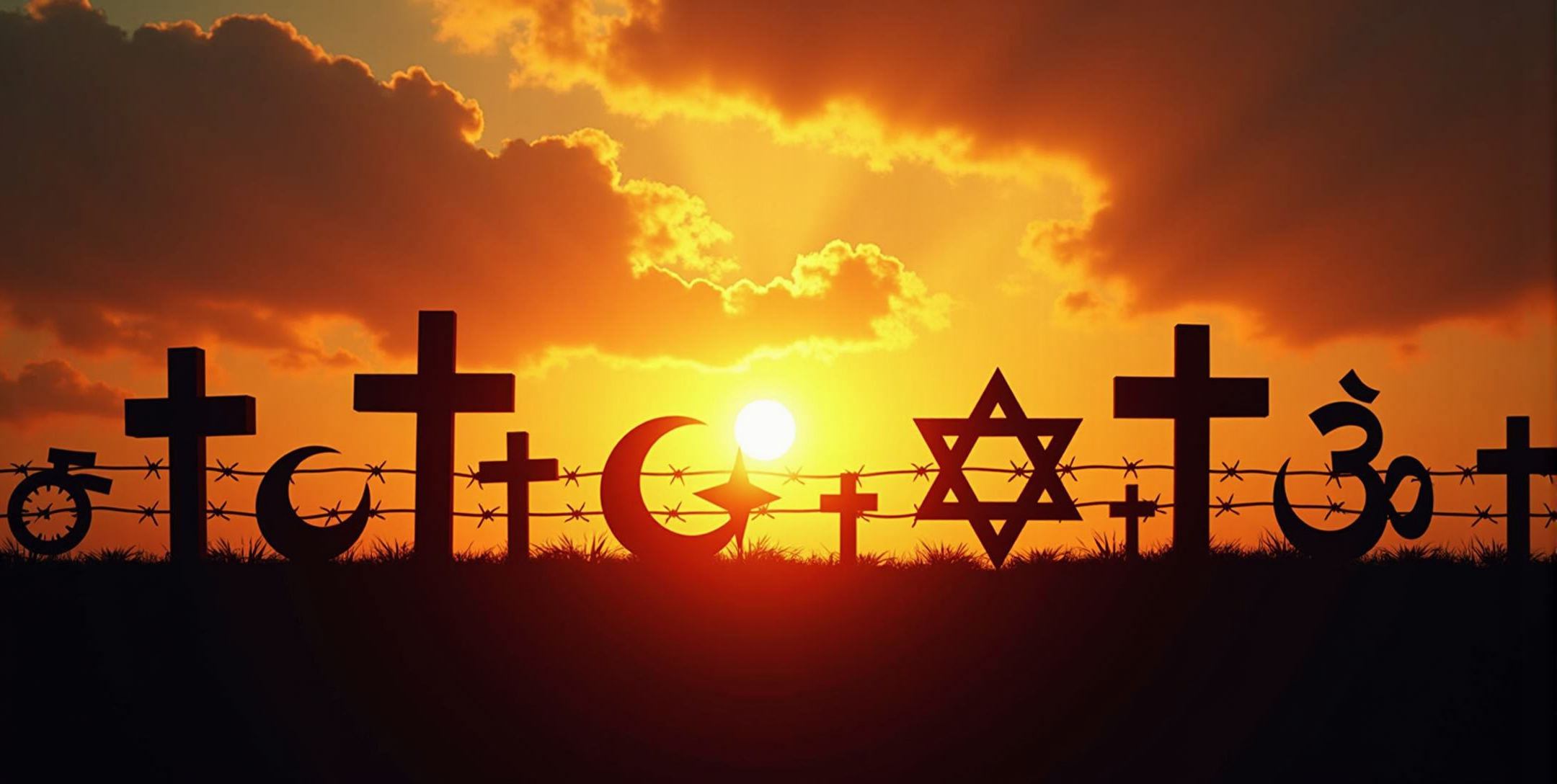
The Growing Global Decline of Religious Freedom
•
Introduction Around the world, religious freedom—a fundamental human right—faces increasing pressure.In many regions, believers of all faiths experience harassment, discrimination, or violence simply for practicing their religion.As authoritarianism rises, social tensions deepen, and conflicts intensify, the deterioration of religious freedom has become a global crisis that affects millions. A Worldwide Trend of Restriction Reports…