-
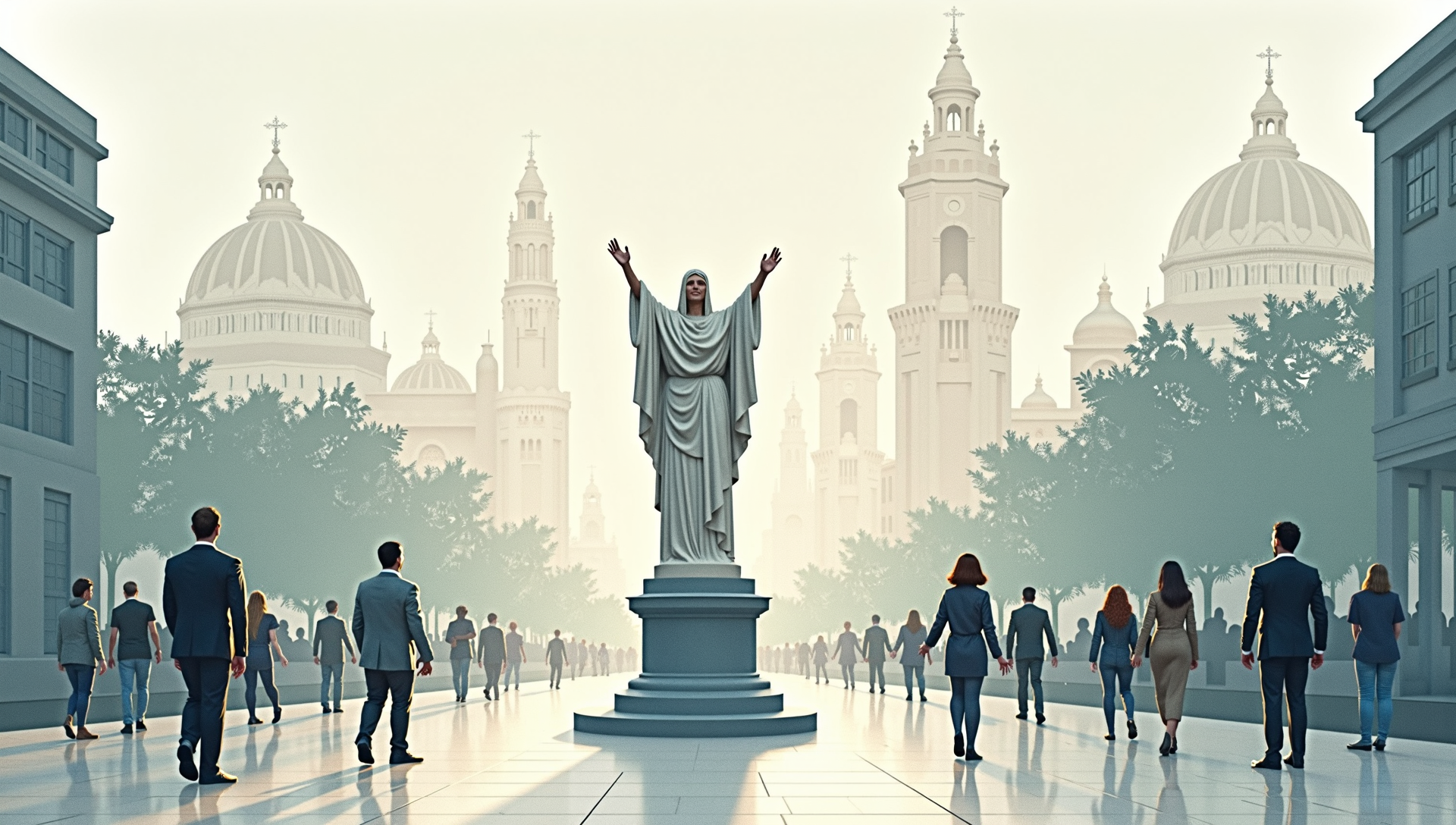
📌 Religion in an Increasingly Secularized Society
•
Introduction Across much of the modern world, religion is navigating a new reality: life within societies that are becoming steadily more secularized. While faith remains deeply meaningful for millions, its public influence, institutional presence, and cultural authority have diminished in many contexts. This shift raises important questions about the evolving role of religion in…
-
✈️ Shifts in Immigration Policy for Religious Workers: Implications for Faith Communities
•
Introduction Recent changes in immigration policy affecting religious workers have drawn attention from faith-based organizations, advocacy groups, and policymakers alike. Religious workers—such as pastors, priests, imams, rabbis, missionaries, and other faith leaders—play a crucial role in serving immigrant communities and maintaining religious life across the United States. As immigration frameworks evolve, these policy shifts…
-
Significant Changes in Overall Religiosity: How Belief and Practice Are Evolving
•
Introduction Across the United States and many other parts of the world, overall religiosity is undergoing significant change. While religion continues to play an important role for millions, patterns of belief, practice, and affiliation are shifting in noticeable ways. These changes reflect broader cultural, generational, and social transformations that are redefining how people relate…
-
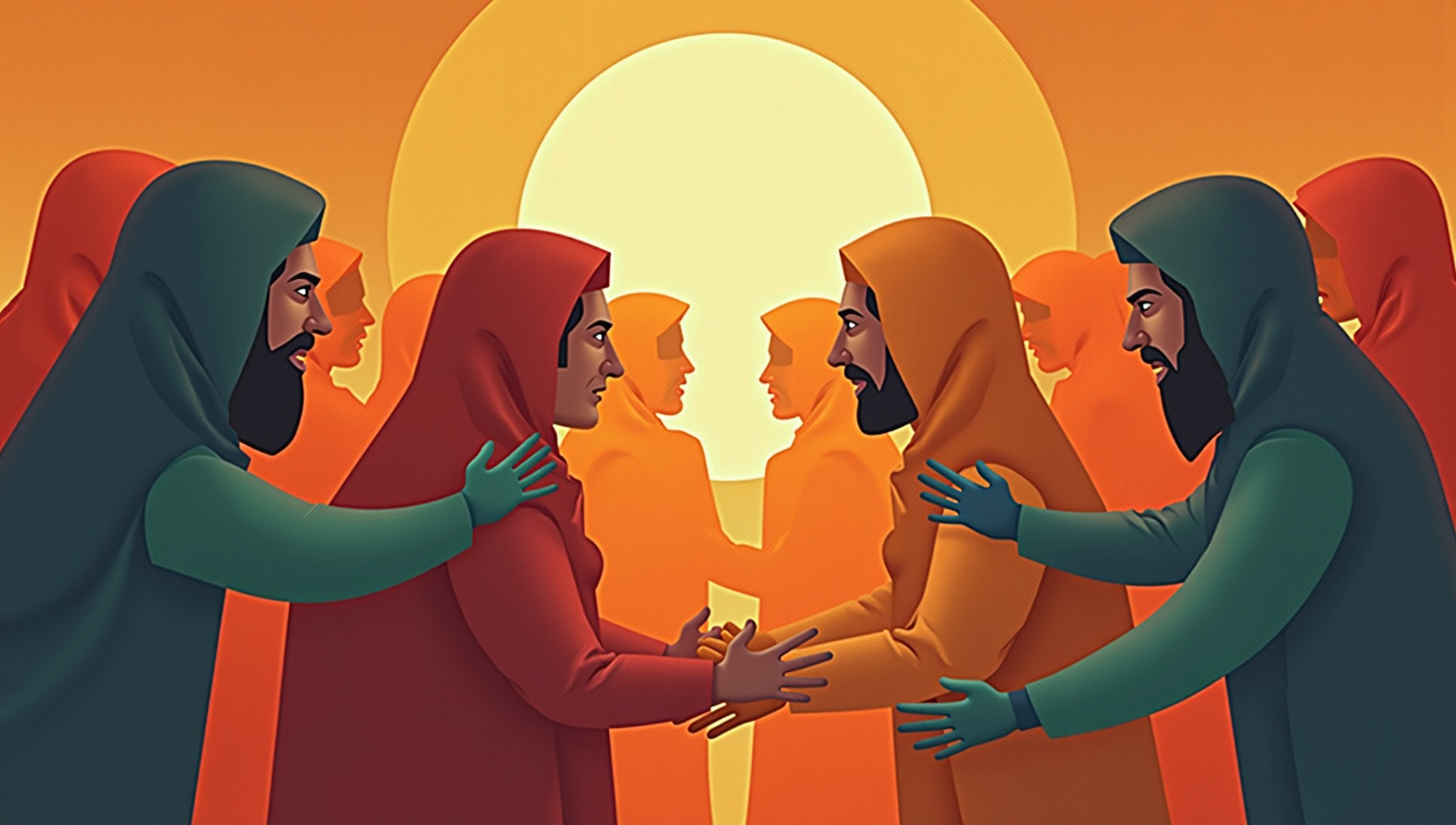
🎭 Messages of Unity and Humanity: Mammootty’s Call Beyond Religious Divisions
•
Introduction In a world increasingly marked by polarization and identity-based divisions, voices that emphasize shared humanity often resonate the most. Renowned Indian actor Mammootty recently offered such a message when he stated that “the greatest religion is trust.” His words highlight universal human values that transcend religious boundaries and invite reflection on what truly…
-

⛪ Leadership Changes in the Catholic Church in the United States
•
Introduction The Catholic Church in the United States is experiencing a period of significant leadership transition, marked by the appointment of new bishops, the retirement of long-serving leaders, and shifting pastoral priorities. These changes come at a time when the Church faces evolving social expectations, internal challenges, and a rapidly changing religious landscape. Leadership…
-
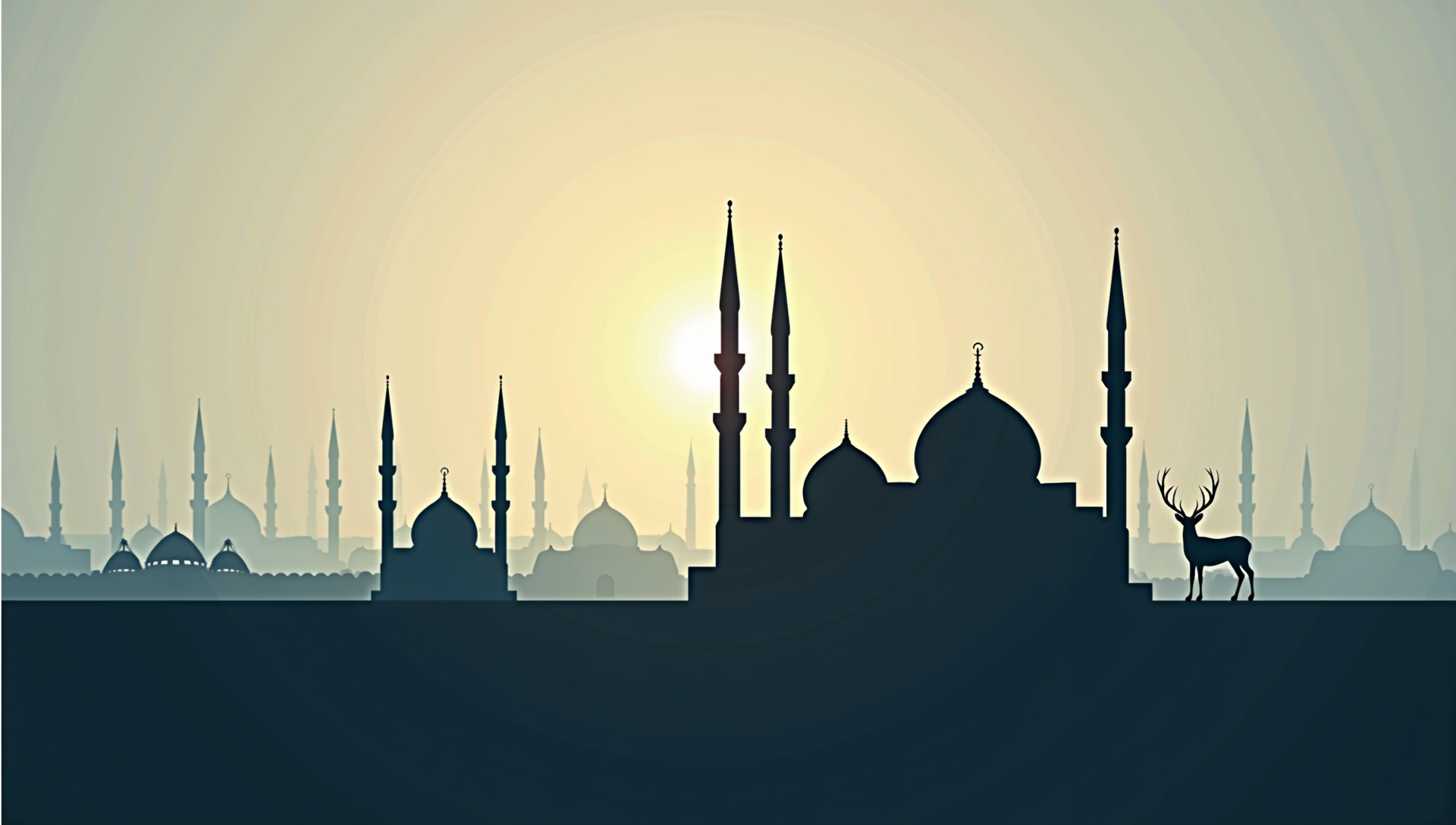
🕊️ Political Controversy and Religious Rights: The Ongoing Struggle Facing Muslim Communities
•
Introduction In recent years, political controversy surrounding religious rights, particularly those affecting Muslim communities, has intensified across many democratic societies. Debates over immigration, national security, cultural integration, and religious expression have placed Islam at the center of public discourse—often in ways that blur the line between policy concerns and religious discrimination. These tensions raise…
-
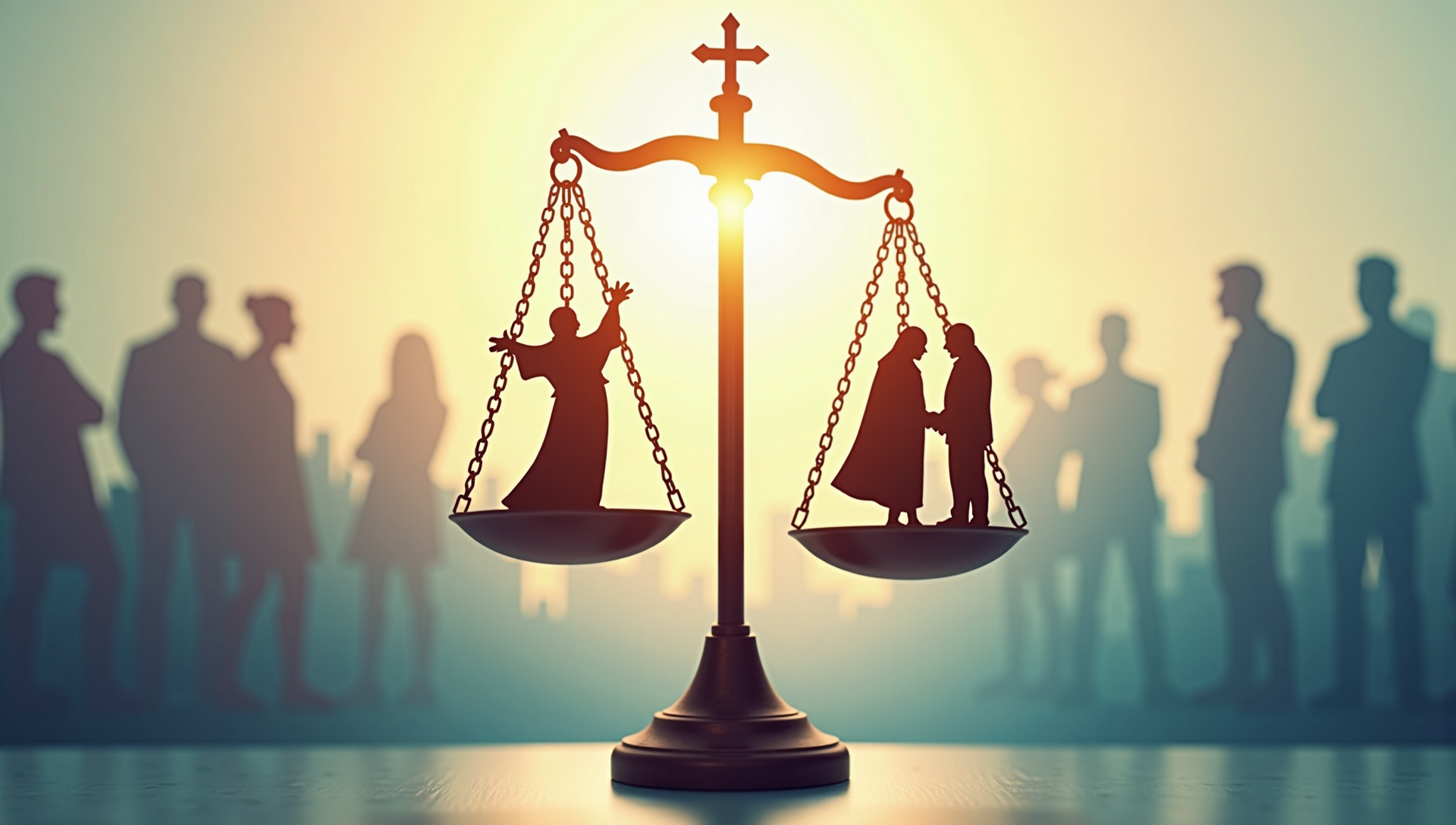
🕊️ Religious Freedom and Its Coexistence with Civil Rights in a Pluralistic Society
•
Introduction In increasingly diverse societies, one of the most complex and sensitive challenges is balancing religious freedom with civil rights. As cultures, beliefs, and identities intersect more frequently in public life, questions arise about how individuals can freely practice their faith while ensuring equal rights and protections for all. This tension is not a…
-
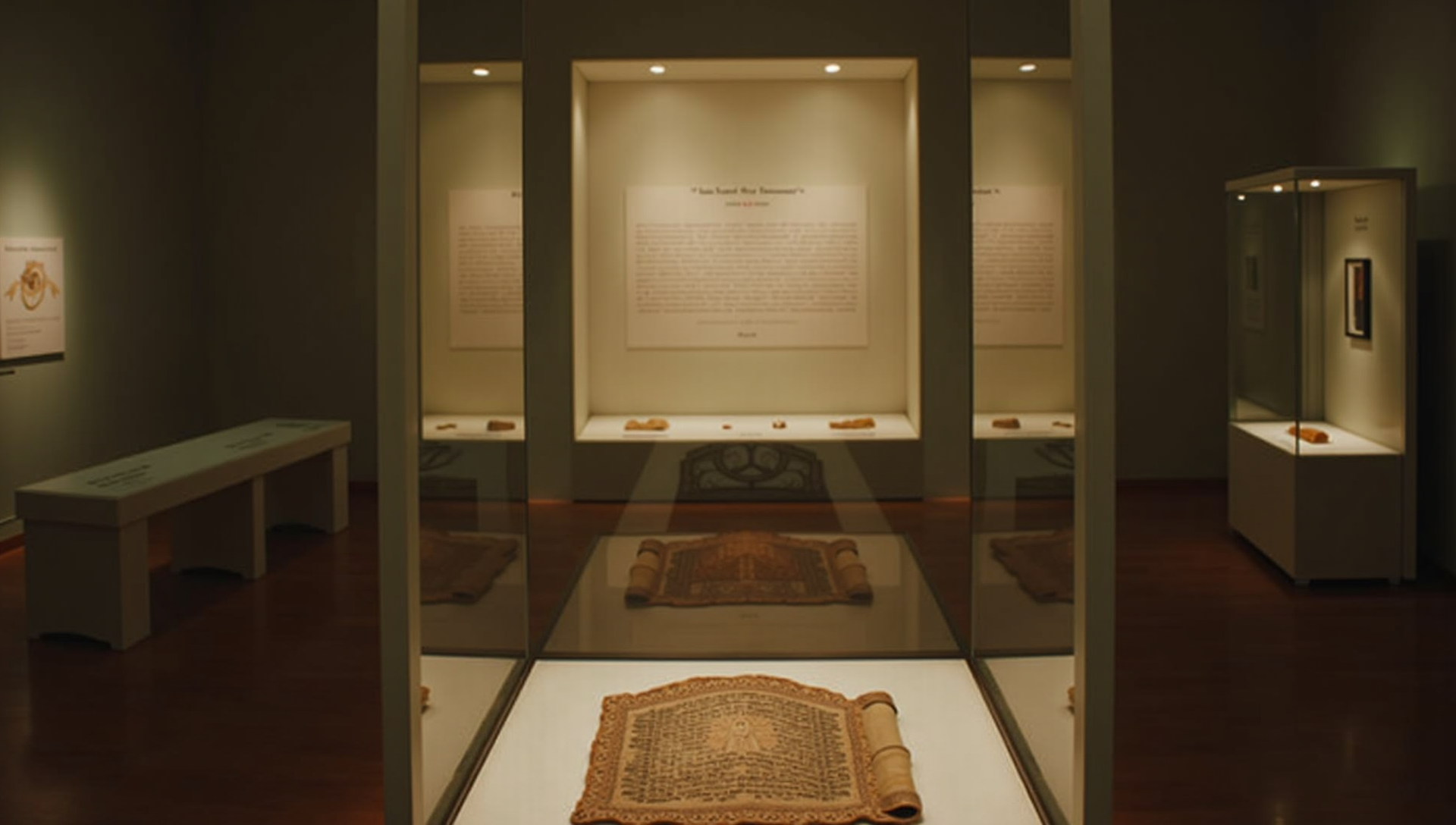
🕎 Historic Discovery: A 14th-Century Torah Fragment
•
Introduction A remarkable discovery has captured the attention of historians, scholars, and religious communities worldwide: the identification of a Torah fragment dating back to the 14th century. This rare find offers valuable insight into medieval Jewish life, religious practice, and the extraordinary care taken to preserve sacred texts across generations. A Manuscript That Survived…
-
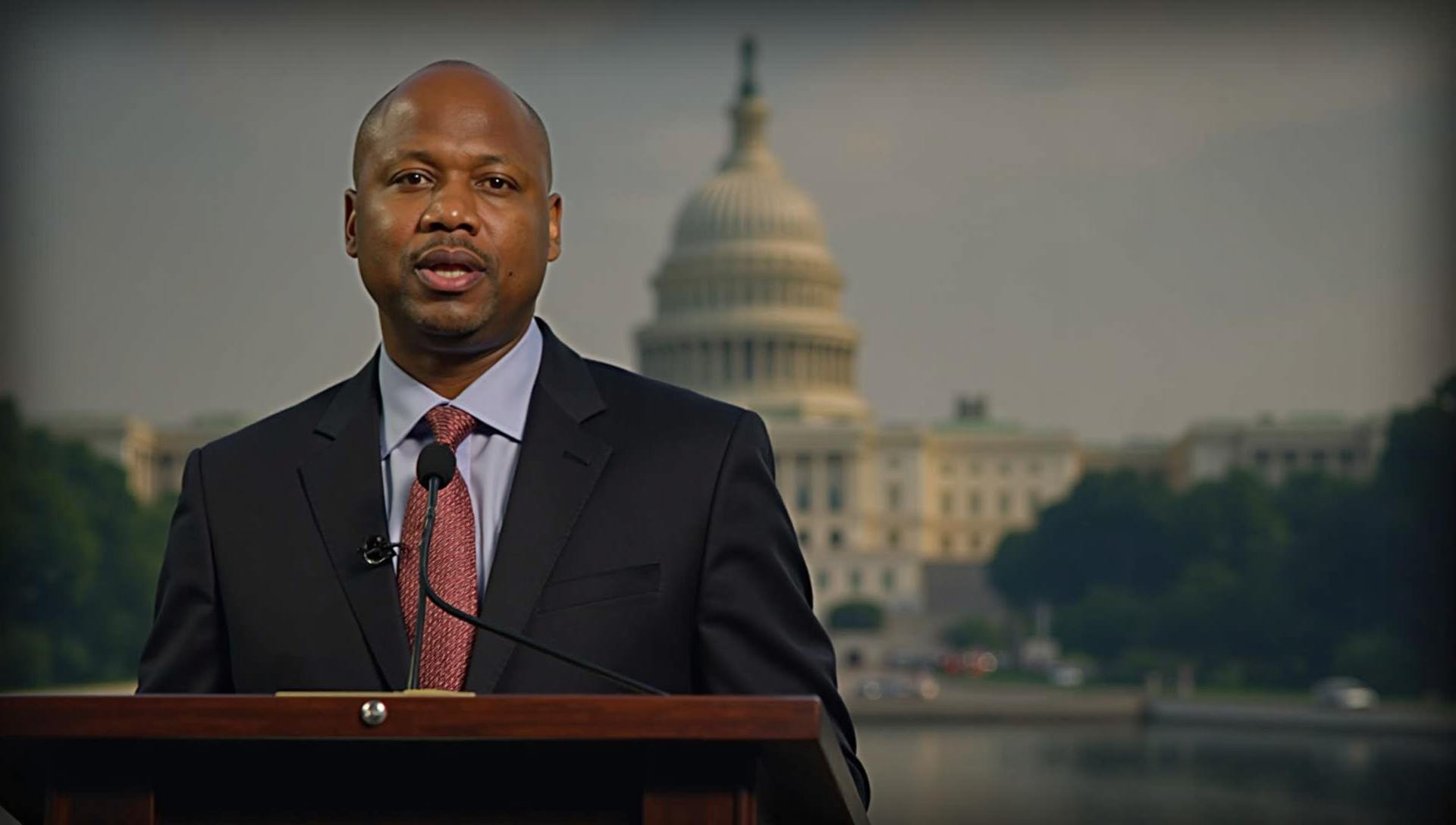
Faith and Politics: Senator Raphael Warnock Warns Democrats Are Losing Ground on Religion
•
Introduction Senator Raphael Warnock, a Democrat from Georgia, senior pastor of Ebenezer Baptist Church, and currently the only ordained clergy member serving in the U.S. Congress, has issued a candid warning to his own party. According to Warnock, Democrats have increasingly ceded religious ground to Republicans, allowing faith to be framed almost exclusively through…
-
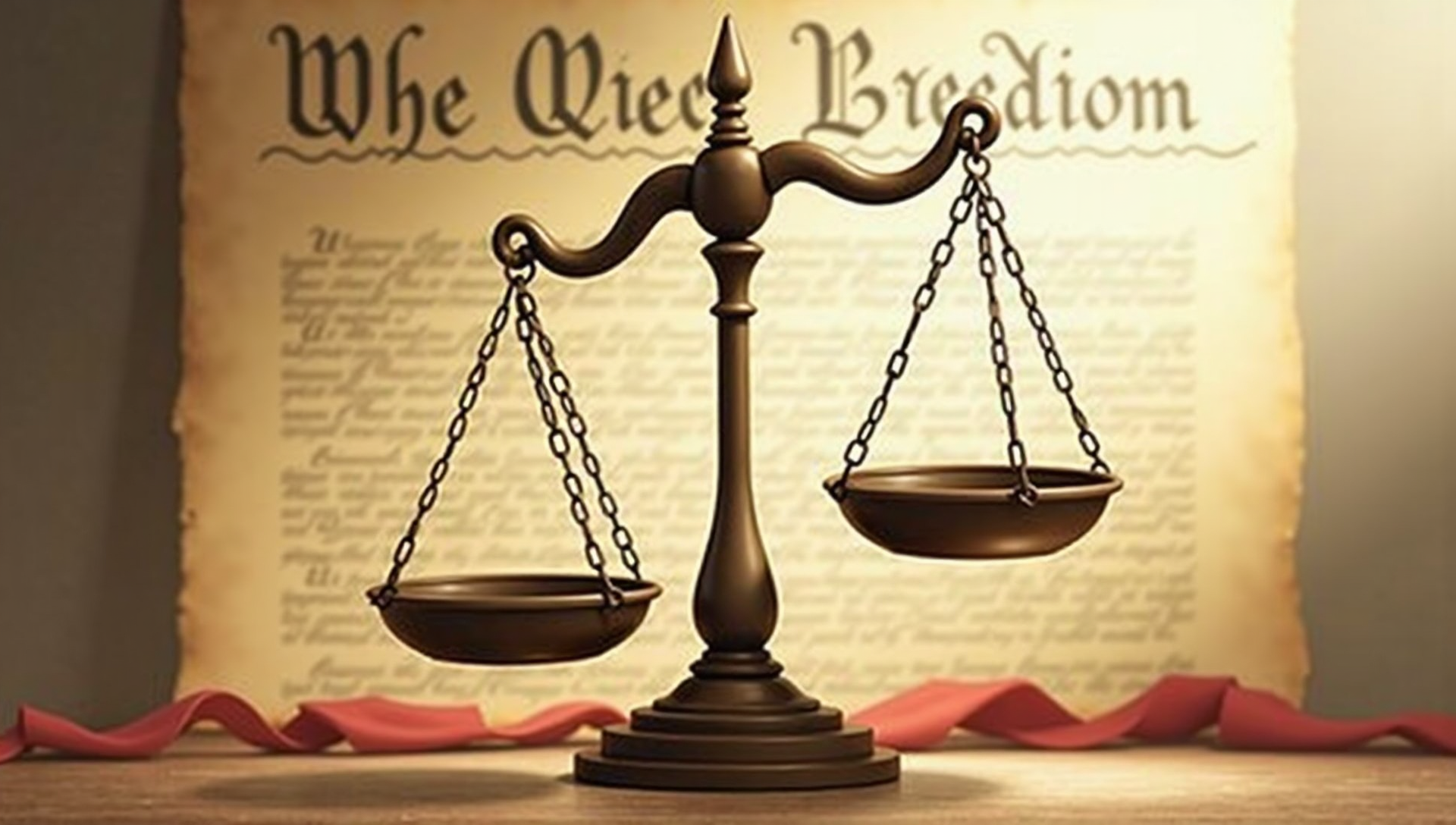
When Rights Collide: The Tension Between Religious Freedom, Civil Rights, and the Modern State
•
Introduction Across the United States, one of the most persistent debates in the legal, political, and cultural spheres is the tension between religious liberty, civil rights, and state authority.While the First Amendment protects the free exercise of religion, the state is also responsible for ensuring equal treatment, public safety, and nondiscrimination. The struggle lies…