
Introduction
The Catholic Church in the United States is experiencing a period of significant leadership transition, marked by the appointment of new bishops, the retirement of long-serving leaders, and shifting pastoral priorities. These changes come at a time when the Church faces evolving social expectations, internal challenges, and a rapidly changing religious landscape.
Leadership transitions are not unusual in the Church’s long history, but their timing and context often shape how Catholic communities understand their mission and future direction.
A New Generation of Church Leadership
Many dioceses across the United States are welcoming new bishops and archbishops, often chosen for their pastoral experience, administrative skill, and ability to engage with contemporary cultural realities.
This new generation of leaders tends to emphasize:
- Pastoral closeness to local communities
- Dialogue rather than confrontation
- Evangelization adapted to modern society
- Accountability and transparency
While doctrinal continuity remains central, leadership style and emphasis can vary significantly.
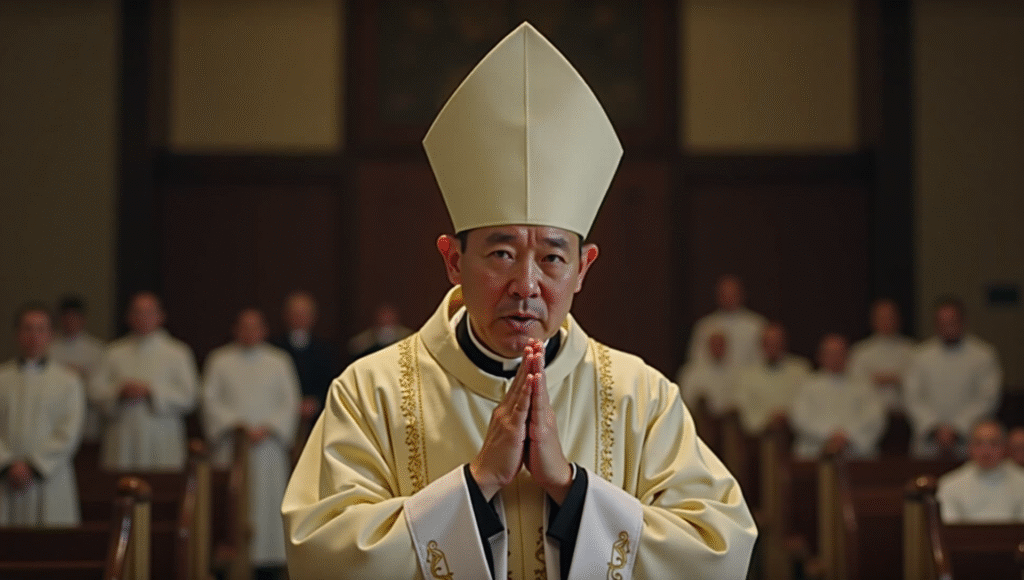
Reasons Behind the Leadership Transition
Several factors contribute to the current wave of leadership change:
- Retirement due to age, as required by Church law
- Reassignment of bishops to different dioceses
- The need for leaders capable of addressing declining attendance and vocations
- Ongoing efforts to restore trust after institutional crises
These transitions reflect both practical necessity and strategic adaptation.
Balancing Tradition and Renewal
New Catholic leaders often face the challenge of balancing faithful adherence to tradition with pastoral renewal. This includes:
- Upholding Church teachings
- Responding to cultural diversity within parishes
- Engaging younger generations
- Navigating sensitive moral and social debates
The way leaders approach this balance can shape the tone and priorities of their dioceses for decades.
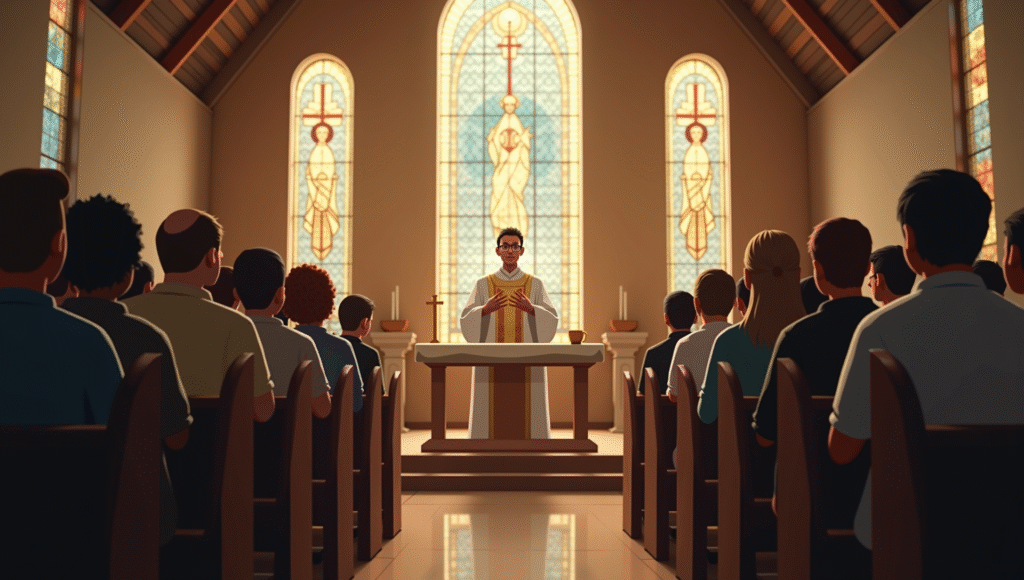
Impact on Local Catholic Communities
Leadership changes directly affect parish life. For many Catholics, a new bishop can mean:
- New pastoral initiatives
- Reorganization of diocesan structures
- Renewed focus on education, charity, or social outreach
- Changes in liturgical or administrative emphasis
These shifts often generate both hope and uncertainty among the faithful.
The Broader Context of Catholicism in the U.S.
The Catholic Church in the United States operates within a broader environment marked by:
- Declining religious affiliation
- Increased religious pluralism
- Public scrutiny of religious institutions
- Internal diversity of theological and political perspectives
Leadership plays a critical role in guiding the Church through these complex dynamics.
Conclusion
Leadership change in the Catholic Church in the United States is not merely administrative—it reflects deeper questions about identity, mission, and engagement with the modern world. As new leaders step forward, their ability to combine tradition, compassion, and credibility will shape how the Church navigates the years ahead.
For Catholic communities, these transitions represent both continuity with the past and opportunity for renewal.