Introduction
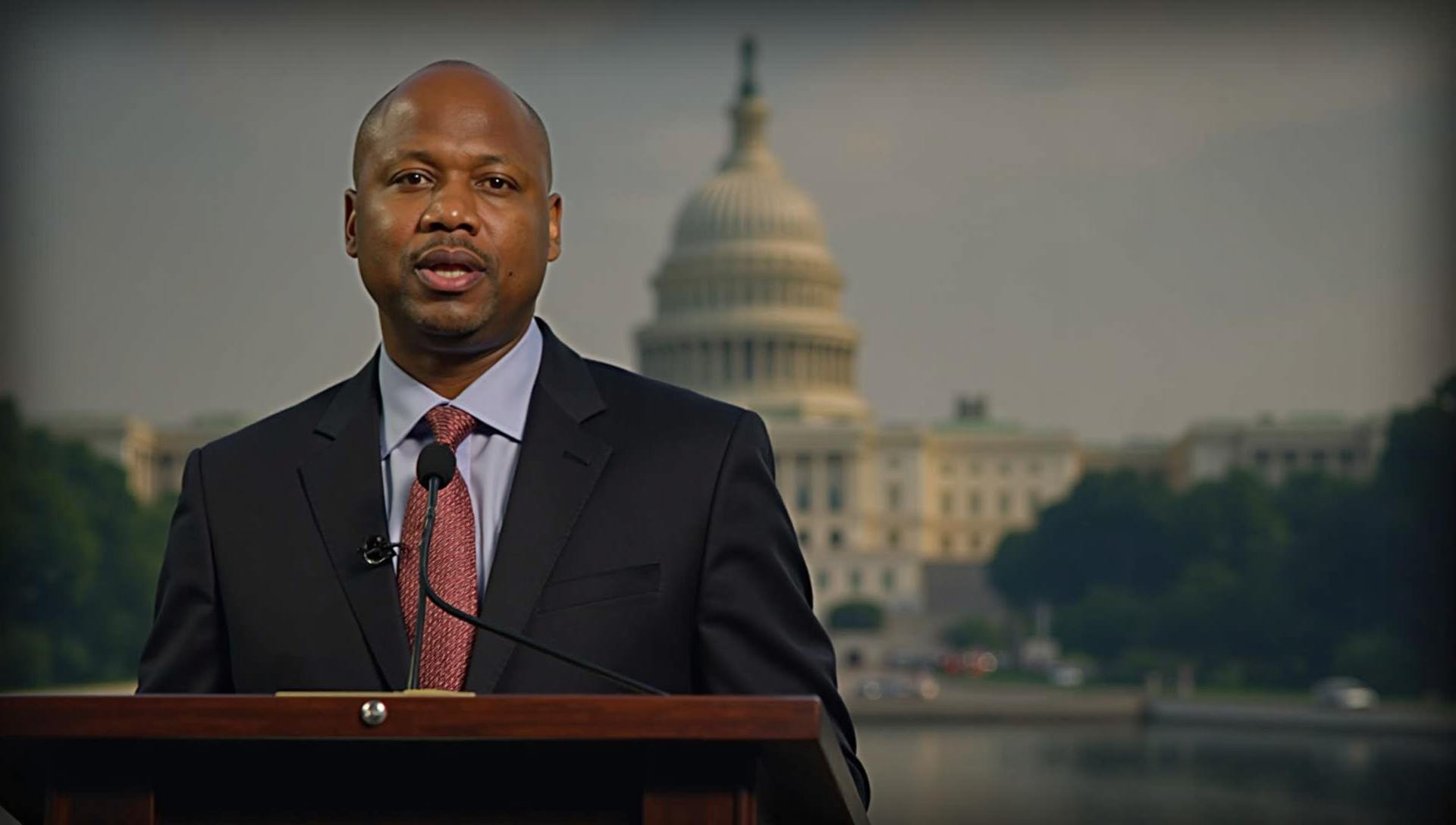
Senator Raphael Warnock, a Democrat from Georgia, senior pastor of Ebenezer Baptist Church, and currently the only ordained clergy member serving in the U.S. Congress, has issued a candid warning to his own party. According to Warnock, Democrats have increasingly ceded religious ground to Republicans, allowing faith to be framed almost exclusively through conservative political narratives.
At the same time, he has sharply criticized how religion is often weaponized in political discourse, arguing that faith should inspire justice, compassion, and humility—not division or exclusion.
A Unique Voice at the Intersection of Faith and Power
Warnock occupies a rare position in American politics. As both a sitting U.S. senator and an active pastor, he speaks from inside both institutions—government and the church.
His background gives him moral credibility when addressing questions such as:
- How religion is discussed in politics
- Who gets to define “faith values” in public life
- Whether religious language is being used to unite or polarize
Warnock argues that religion does not belong to one political party, and that progressive voices have too often withdrawn from religious conversations instead of reclaiming them.
Democrats and the Retreat from Religious Language
According to Warnock, many Democrats have become uncomfortable engaging publicly with faith, fearing alienation of secular voters or accusations of violating church-state boundaries.
This retreat has had consequences:
- Republicans increasingly dominate religious messaging
- Faith becomes associated almost exclusively with conservative ideology
- Progressive moral arguments rooted in religion are sidelined
Warnock insists this vacuum allows religion to be framed narrowly, ignoring traditions that emphasize social justice, civil rights, care for the poor, and human dignity.

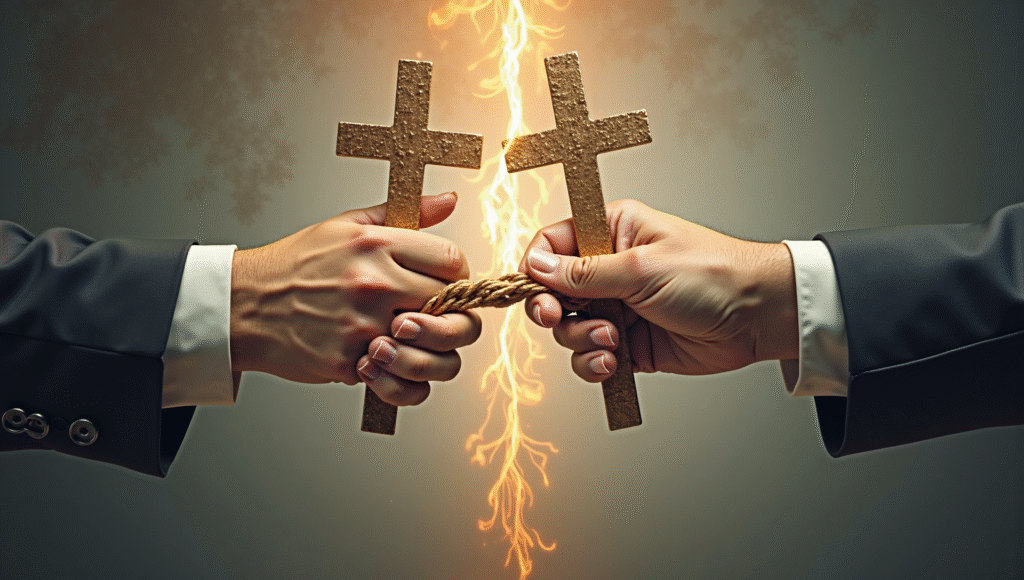
Criticism of Faith as a Political Weapon
Warnock has also condemned the use of religious language to:
- Justify discrimination
- Undermine civil rights
- Promote exclusionary nationalism
- Silence dissent by claiming divine authority
He argues that when faith is used as a political weapon, it loses its moral integrity. Religion, he says, should challenge power, not simply serve it.
This critique resonates in a moment when religion is frequently invoked in debates over:
- Voting rights
- LGBTQ+ protections
- Immigration
- Reproductive health
- Education
Reclaiming a Moral Vision Rooted in Faith
Warnock believes Democrats must not abandon religious language, but rather reframe it.
He calls for a vision of faith that:
- Emphasizes compassion over condemnation
- Centers justice, mercy, and humility
- Recognizes pluralism while honoring belief
- Respects both religious freedom and civil rights
This approach echoes the historic role of religious leaders in movements such as the Civil Rights Movement, where faith was a force for inclusion and reform.
Why This Debate Matters Now
The struggle over religion in politics is not just symbolic—it shapes voter identity, cultural alignment, and moral authority.
As religious affiliation declines overall, religious messaging still carries emotional and cultural power, especially among key voting blocs. Warnock’s warning suggests that ignoring this terrain may carry long-term political and cultural costs.
Conclusion
Senator Raphael Warnock’s message is not a call for a theocratic politics, nor a rejection of secular governance. Instead, it is a challenge to rethink how faith is discussed, who gets to speak for it, and what values it represents in public life.
In a deeply polarized era, Warnock argues that faith should not divide Americans into moral camps—but invite them into a broader conversation about justice, dignity, and the common good.