Introduction
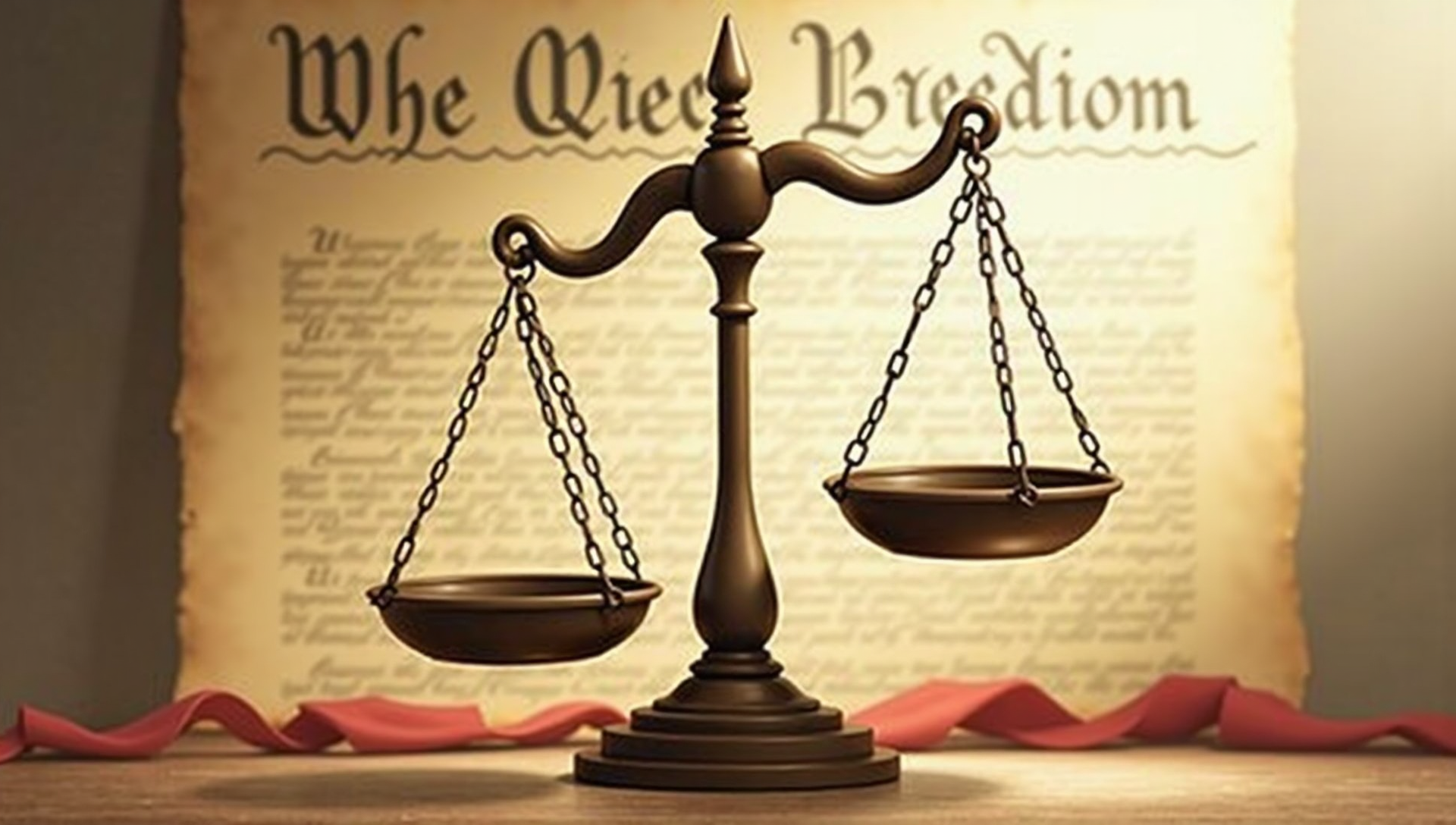
Across the United States, one of the most persistent debates in the legal, political, and cultural spheres is the tension between religious liberty, civil rights, and state authority.
While the First Amendment protects the free exercise of religion, the state is also responsible for ensuring equal treatment, public safety, and nondiscrimination.
The struggle lies in defining where one right ends and another begins —
especially when deeply held beliefs clash with expanding civil liberties.
The Constitutional Foundation
Two core principles shape this debate:
- Free Exercise Clause
Guarantees individuals the right to practice their religion without government interference. - Establishment Clause
Prevents the state from favoring or establishing a religion.
Together, these create space for faith, but also limits on the government.
However, as society modernizes, new realities test old boundaries.
Where Conflicts Typically Arise
The tension between religious freedom and civil rights often surfaces in:
- Public education
- Employment discrimination
- Healthcare regulations
- LGBTQ+ rights
- Public accommodations
- Conscience-based objections
- Religious expression in government settings
These are not abstract debates — they affect daily life, lawmaking, and community relationships.
Civil Rights vs. Conscience Rights
When religious groups hold moral teachings that conflict with civil protections, especially concerning LGBTQ+ individuals, reproductive rights, or gender identity, courts must decide whether to:
- Protect civil equality
- Protect religious conscience
- Or find a middle path
Neither solution is simple.
Both sides often feel their most sacred principles are at stake.
Role of the State: Neutral, Not Absent
The state has two non-negotiable responsibilities:
✔ Protect freedom of conscience
✔ Guarantee equal participation in public life
But the state must also avoid favoring one religion’s moral codes over the rights of another group.
It must remain neutral, but neutrality itself can feel like oppression to those whose beliefs shape their identity.

Example Scenarios
These conflicts become most visible in real-world dilemmas:
- A religious adoption agency declines to place children with same-sex couples.
- A business owner refuses to provide service for an event on religious grounds.
- A public school restricts religious expression, prompting claims of discrimination.
- Healthcare providers seek exemptions from procedures that violate their beliefs.
Each example requires evaluating liberty, equality, and pluralism.
Why This Tension Is Growing
Several forces intensify the conflict:
- Increasing cultural diversity
More beliefs mean more collisions. - Secularization of public institutions
Religion becomes one voice among many, not the dominant one. - Expansion of civil rights protections
Legal recognition increases, creating new pressure points. - Political polarization
Debates that should be handled through dialogue become symbolic warfare.

Toward a Balanced Framework
Finding equilibrium does not require removing religion from public life or erasing civil rights.
A stable future requires:
- Strong legal protections for individual faith
- Clear respect for equal access under the law
- Recognizing that diversity demands negotiation
A pluralistic society is not one where all agree — but one where people disagree without dehumanizing each other.
Conclusion
The tension between religious liberty, civil rights, and state authority isn’t a crisis — it’s a defining feature of democratic societies.
As America continues to evolve culturally, legally, and religiously, these conflicts will persist, but so will the opportunity to model mutual respect, constitutional balance, and meaningful coexistence.