Introduction
At a time when the national religious landscape is undergoing measurable shifts—especially the decline in traditional religious affiliation and the rise of the religiously unaffiliated—some elements of spiritual practice in the United States show notable stability.
Factors like daily prayer, regular attendance at worship services, and the personal importance of religion have neither skyrocketed nor collapsed. Instead, they have stayed remarkably steady over the past several years.
This stability offers a counterpoint to doom-centered narratives predicting the total disappearance of religion. While institutional affiliation may be shifting, religious practice and personal spiritual life remain deeply embedded in American culture.
Personal Importance of Religion: Stable Amid Change
When asked whether religion is “very important” in their lives, a consistent portion of Americans respond affirmatively.
This number has fluctuated slightly over time but has not experienced dramatic collapse.
Several factors contribute to this stability:
✔ Religion continues to serve as a foundation of personal identity, even for people who do not attend services weekly.
✔ Americans often turn to religion for comfort, moral grounding, and meaning, especially during difficult moments.
✔ The role of spirituality in life transitions—marriage, illness, death, childbirth—remains deeply rooted.
In essence, the personal significance of religion has endured, even as institutional affiliation weakens.
Daily Prayer: Spiritual Discipline That Persists

Daily prayer is one of the most enduring religious practices across all Christian denominations and even among many who identify as spiritually unaffiliated.
Key reasons for its stability include:
- Prayer is independent of institutions — people do not need a church or clergy to practice it.
- It remains a source of emotional comfort and connection with the divine.
- Many turn to prayer during uncertainty, anxiety, loss, or hope.
Even among Millennials and Gen Z—groups often considered less religious—prayer remains a meaningful spiritual habit.
Religious Service Attendance: Lower but Stable, Not Collapsing
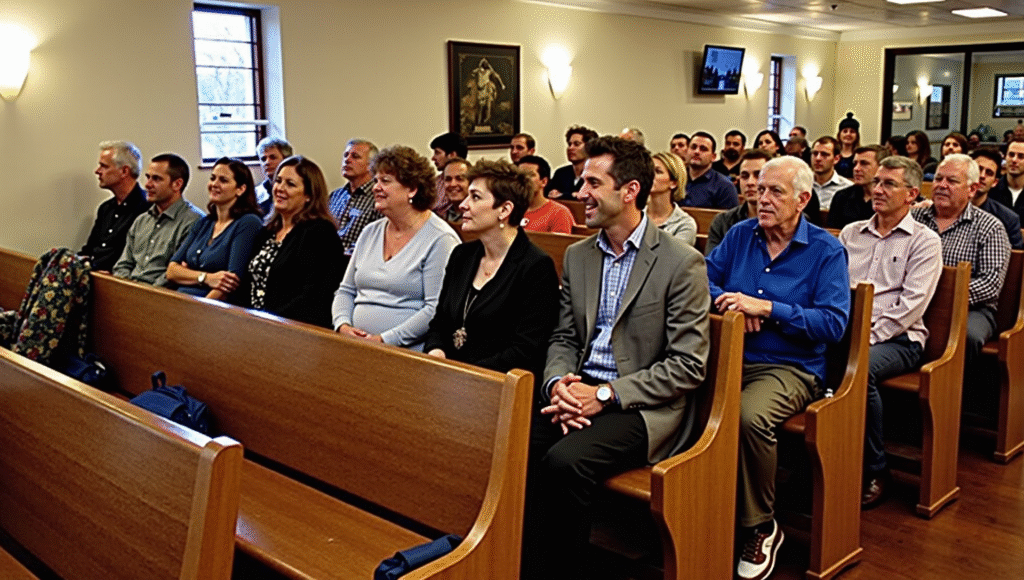
Attendance at religious services has declined over decades, but in recent years it has shown relative stability rather than ongoing freefall.
Why attendance doesn’t collapse further:
- People remain connected to community, tradition, and heritage.
- Many rely on membership for social belonging and support.
- Churches have adapted with online services, hybrid models, and small groups, keeping attendance durable.
Weeks of absence are common, but the long-term connection persists.
Why These Religiosity Measures Stay Stable
While American society changes dramatically, three stabilizing forces keep these practices alive:
1. Human beings seek meaning
Faith provides answers to questions that science and secular life cannot fully address.
2. Religion adapts rather than disappears
It shifts from institutional to personal, from formal to informal.
3. Crises revive spiritual habits
Economic instability, health scares, and cultural anxiety push people back toward prayer and personal belief.
These factors create resilience, not collapse.
What This Stability Means for America’s Spiritual Future
Instead of imagining religion fading entirely, we should picture a transformation, where:
- Faith becomes more personal than institutional
- Religious practice becomes more flexible
- Spirituality remains culturally embedded, though less formal
Religious identity is changing shape—not evaporating.

Conclusion
The long-term trajectory of religion in the United States is not purely decline. While affiliation and participation in formal institutions have moved downward, the core practices of daily faith—prayer, personal devotion, and valuing religion—remain strikingly stable.
The future of American spirituality will likely be less institutional but deeply personal, and these stable indicators help explain why.